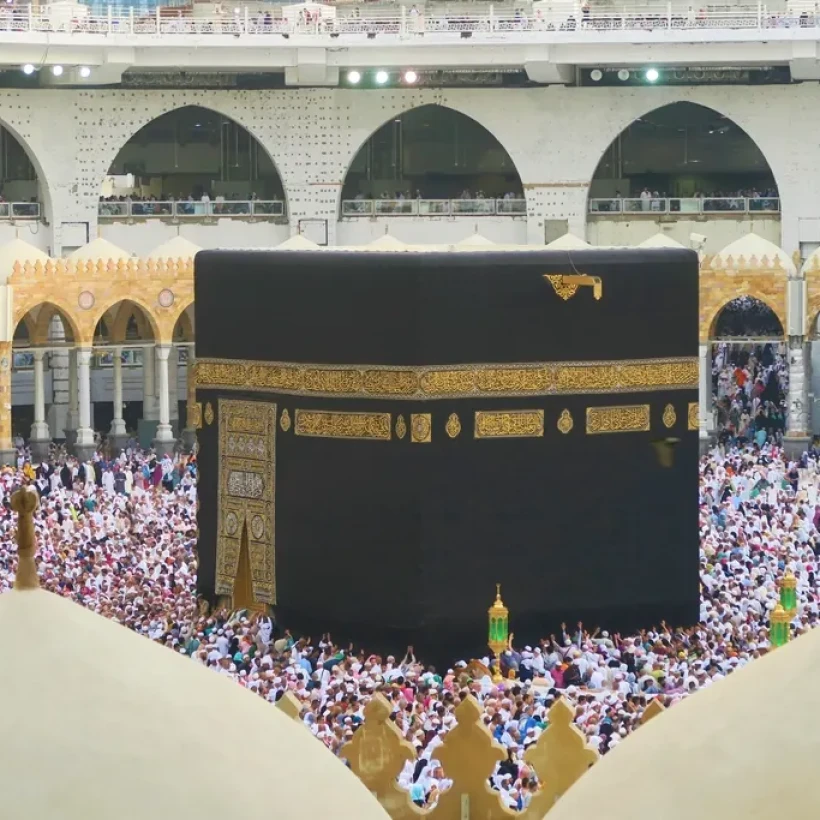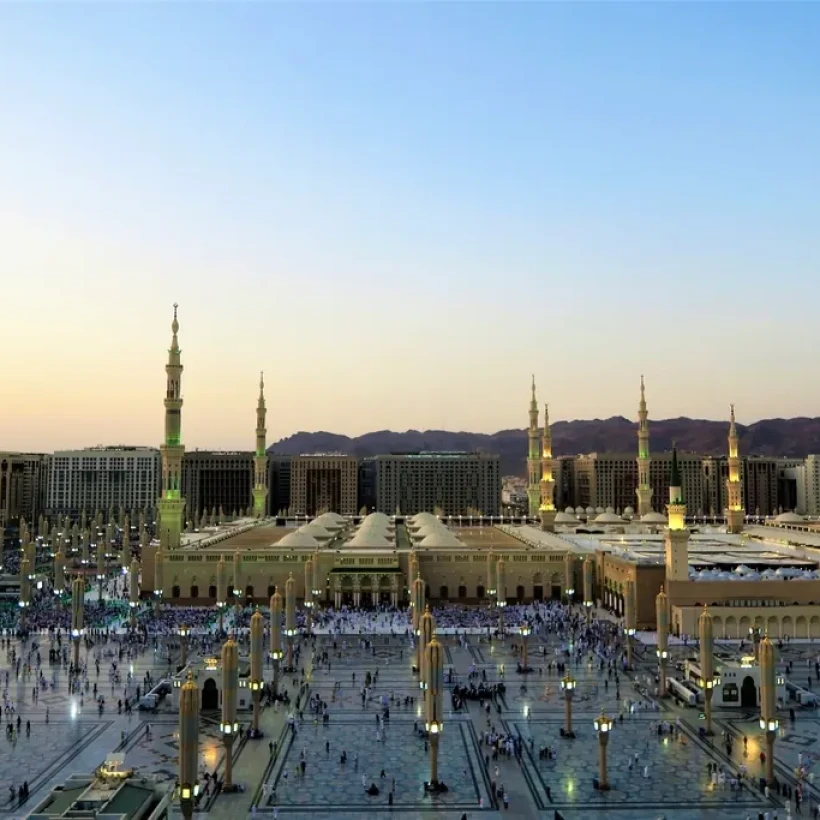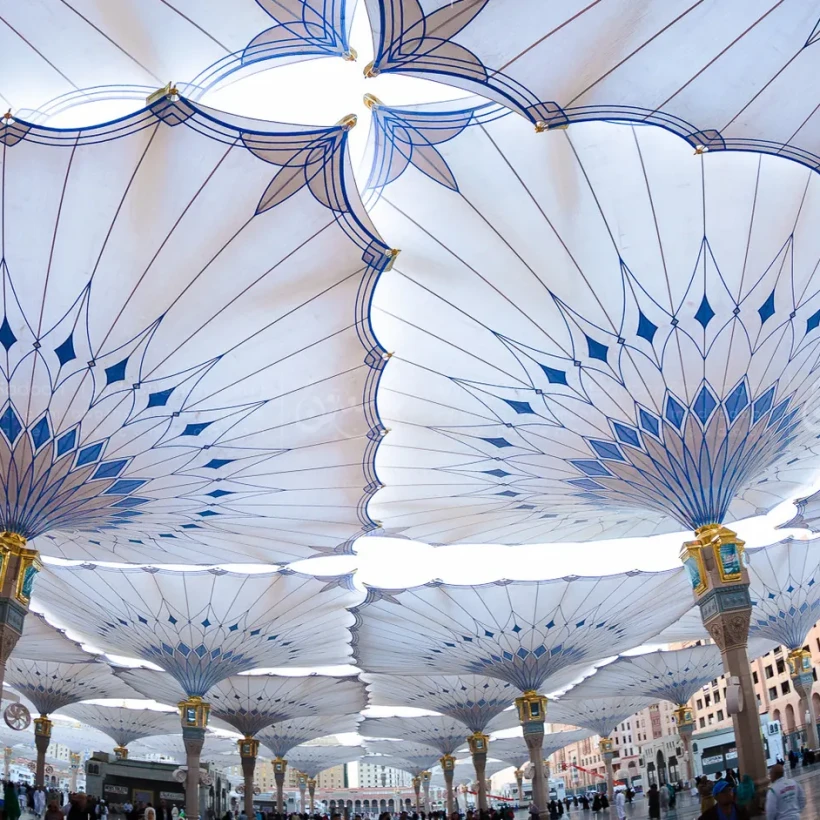
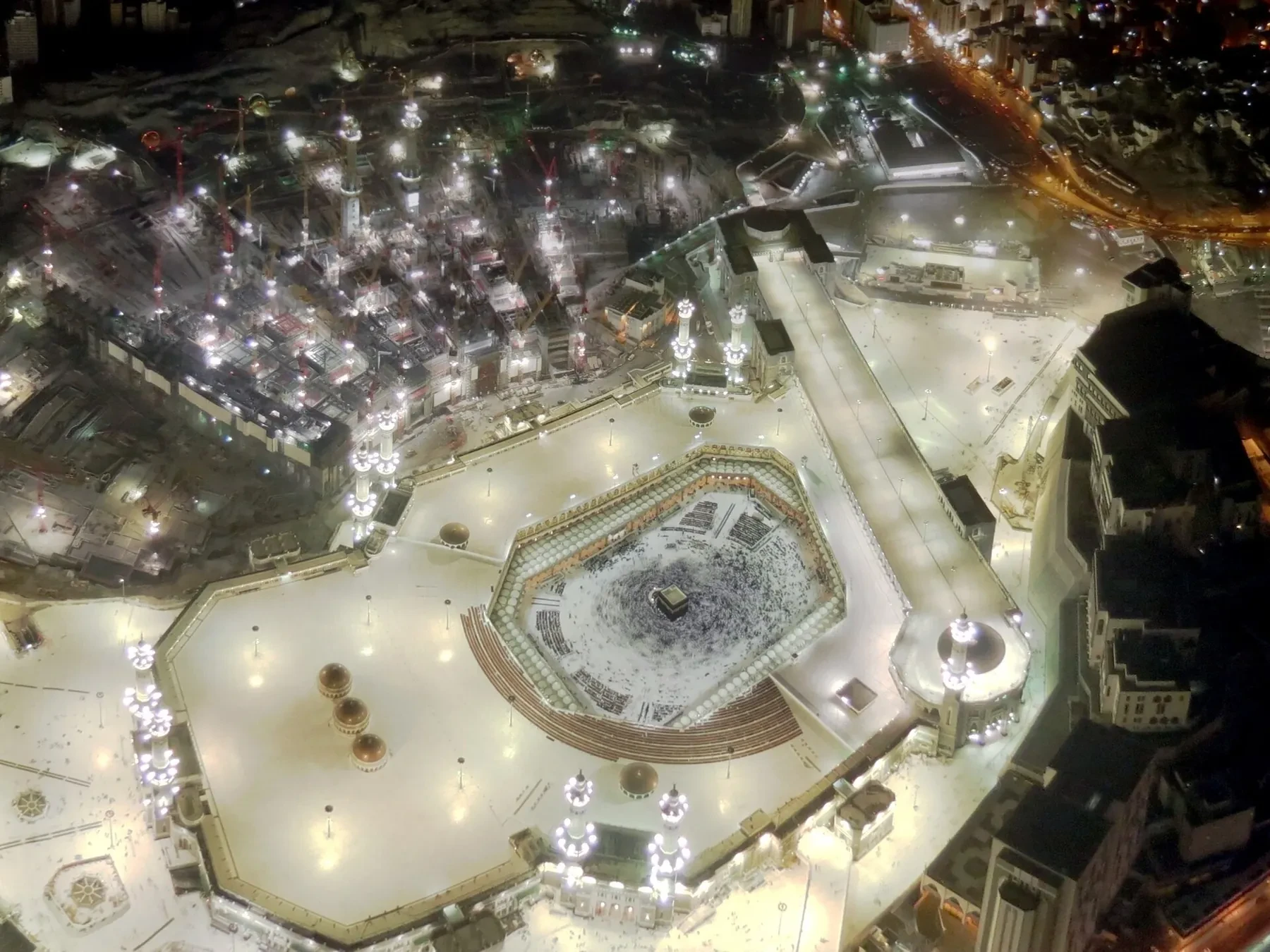
Umrah in Ramadan carries the reward of Hajj (Bukhari, Muslim), and the last ten nights hold Laylat al-Qadr, "better than a thousand months" (Al-Qadr 97:3). To combine Umrah with I'tikaf from Bangladesh, book four to six months early, arrive before the 20th of Ramadan, perform your Umrah, then register for and enter I'tikaf for the last ten nights. Expect the largest crowds and highest prices of the year.
Three ways to plan
- First half of Ramadan: smaller crowds and lower prices, and you still earn the reward of Ramadan Umrah.
- Last ten nights: the most rewarding and the most demanding. Best for those planning I'tikaf.
- Whole month: for those with time and means, starting in Madinah and ending in Makkah.
Booking early
Hotels near the Haram sell out months ahead for the last ten nights, and prices can be several times the usual rate. Flights fill too. Decide by the end of the previous year if you can. Tell us early if you want to observe I'tikaf, since the official I'tikaf registration has its own process and limited places.
A day in Ramadan in Makkah
- Suhoor before Fajr, then Fajr in the Haram.
- Qur'an until sunrise, then rest.
- Dhuhr and Asr in the Haram, with Qur'an and Tawaf in between if you have the strength.
- Iftar in the Haram: dates and Zamzam are offered along the rows.
- Maghrib, dinner, Isha and Taraweeh.
- In the last ten nights, Tahajjud (qiyam al-layl) prayer after midnight.
Staying healthy while fasting
- Drink plenty of water between iftar and suhoor, and eat dates, fruit and salty foods to replace salts.
- Do your Umrah after Taraweeh or late at night, not in the afternoon heat while fasting.
- Sleep in two blocks: after Fajr and in the afternoon.
- If you are ill or very weak, remember that travellers and the sick may postpone fasting.
Seeking Laylat al-Qadr
Aishah (RA) asked what to say if she found Laylat al-Qadr. The Prophet ﷺ taught her (Tirmidhi):
اللَّهُمَّ إِنَّكَ عَفُوٌّ تُحِبُّ الْعَفْوَ فَاعْفُ عَنِّي
“O Allah, You are Forgiving and love forgiveness, so forgive me.”
I'tikaf in brief
If you plan to observe I'tikaf in the last ten nights, remember the essentials. Enter before sunset on the 20th night. Stay in the mosque except for genuine needs such as the toilet, wudu, ghusl or food if no one can bring it. Spend your time in prayer, Qur'an and du'a. Read our full guide to the fiqh of I'tikaf.
Packing for Ramadan in the Haramain
- A thin, rollable mat and a small cushion for long nights in the mosque
- Two or three sets of light clothing
- A small Qur'an, or the Qur'an on your phone with a power bank
- Unscented toiletries, a miswak and a small towel
- Dates and a water bottle for iftar on the way
Eid in Makkah or Madinah
If your trip extends to the end of Ramadan, Eid al-Fitr in the Haram is unforgettable. The Eid prayer takes place shortly after sunrise, and the mosque and surrounding streets fill hours earlier. Arrive by Fajr if you can, and remember to give your Zakat al-Fitr before the Eid prayer.
Frequently asked questions
Does Ramadan Umrah replace Hajj?
It equals Hajj in reward, but does not remove the obligation of Hajj for those who are able.
Can I do several Umrahs in Ramadan?
Many scholars discourage repeatedly leaving for the Miqat at Tan'eem. Extra Tawaf in the Haram is a better use of your strength.
How much does Ramadan Umrah cost?
Significantly more than other months, especially in the last ten nights. Ask us for a quote for your dates and preferred hotel distance.