I'tikaf means staying in a mosque with the intention of worship. It is an emphasised Sunnah in the last ten nights of Ramadan, as the Prophet ﷺ observed it every year until he passed away (Bukhari, Muslim). It must be done in a mosque where the five prayers are held in congregation. It is broken by leaving the mosque without a genuine need, by marital relations, and for women by the onset of menstruation.
What I'tikaf is
Allah mentions I'tikaf in the Qur'an: “Do not have relations with them while you are in i'tikaf in the mosques” (Al-Baqarah 2:187). It is a retreat: you leave the world's distractions for a few days to devote yourself to prayer, Qur'an, dhikr and du'a, and to seek Laylat al-Qadr.
Types
- Sunnah: the last ten nights of Ramadan.
- Wajib: fulfilling a vow (nadhr) to make I'tikaf.
- Nafl: any other time, for any length of time.
Conditions
- Being Muslim, of sound mind, and free from major ritual impurity.
- Intention.
- Place: a mosque. For men, scholars agree it should be a mosque with congregational prayers. For women, most scholars say a mosque too. The Hanafi school allows a woman to observe it in the prayer area of her home.
- Fasting: required for the Ramadan and vowed I'tikaf in the Hanafi and Maliki schools. Ramadan I'tikaf is fasted in any case.
Allowed during I'tikaf
- Leaving the mosque for a real need: the toilet, wudu or ghusl, or bringing food if no one can bring it.
- Eating, drinking and sleeping inside the mosque.
- Combing the hair, cutting nails and light conversation that is not idle.
- Family visiting you briefly. Safiyyah (RA) visited the Prophet ﷺ during his I'tikaf (Bukhari).
What breaks I'tikaf
- Leaving the mosque without need.
- Marital relations.
- Menstruation or postnatal bleeding (the woman leaves the mosque).
- Losing one's mind, or apostasy.
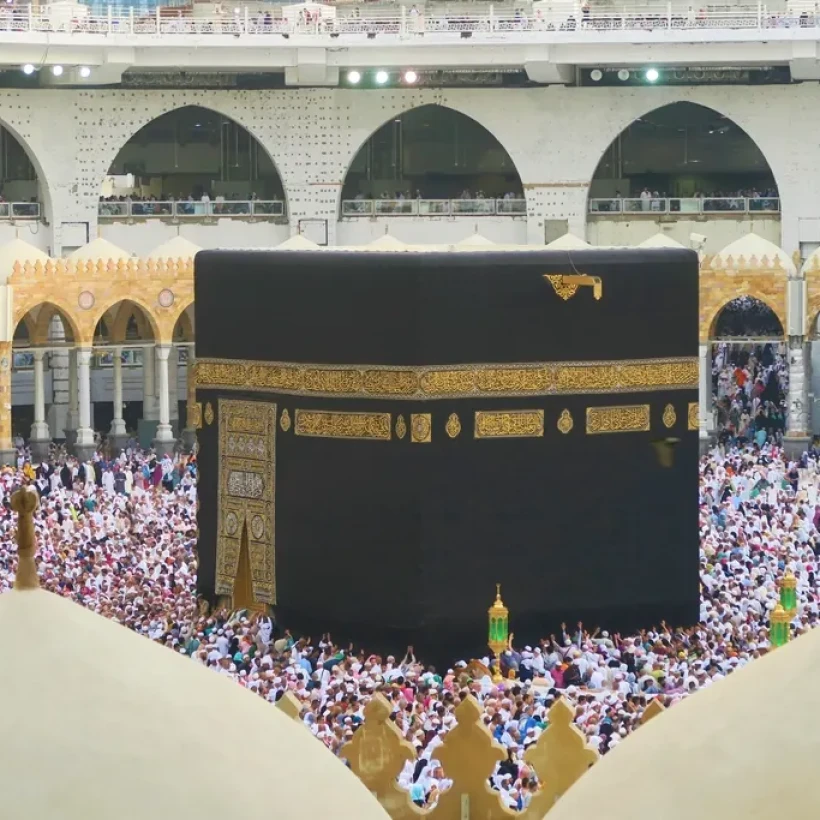
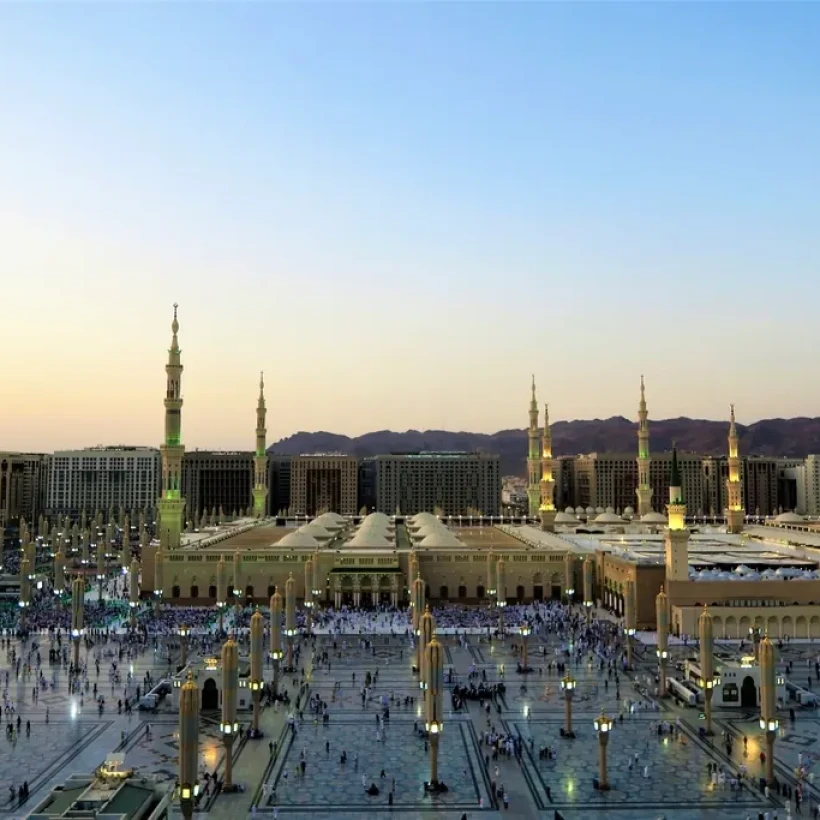
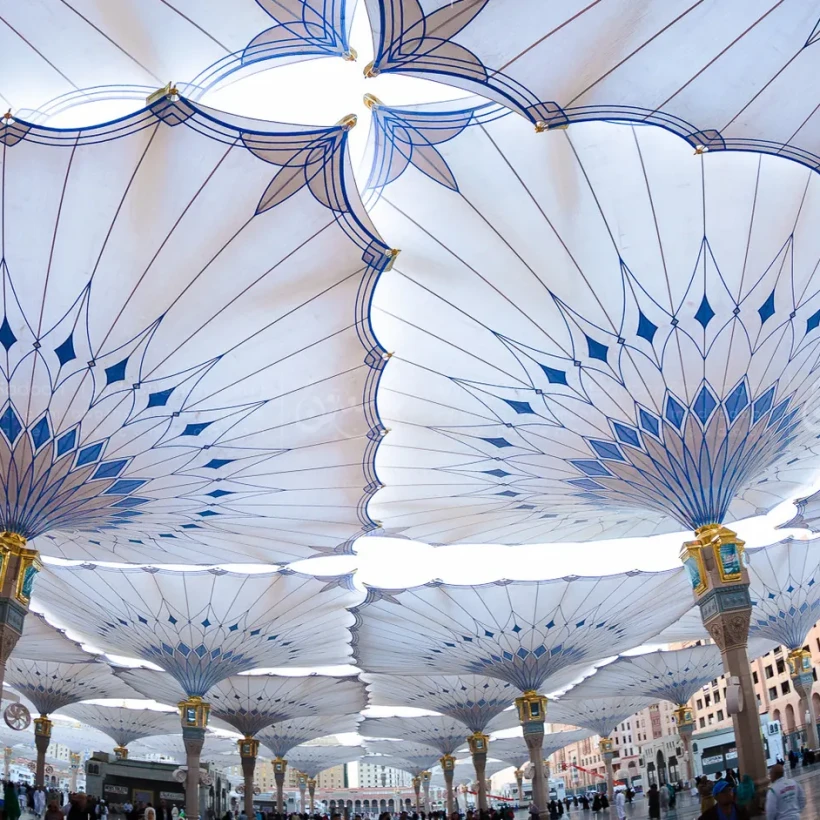
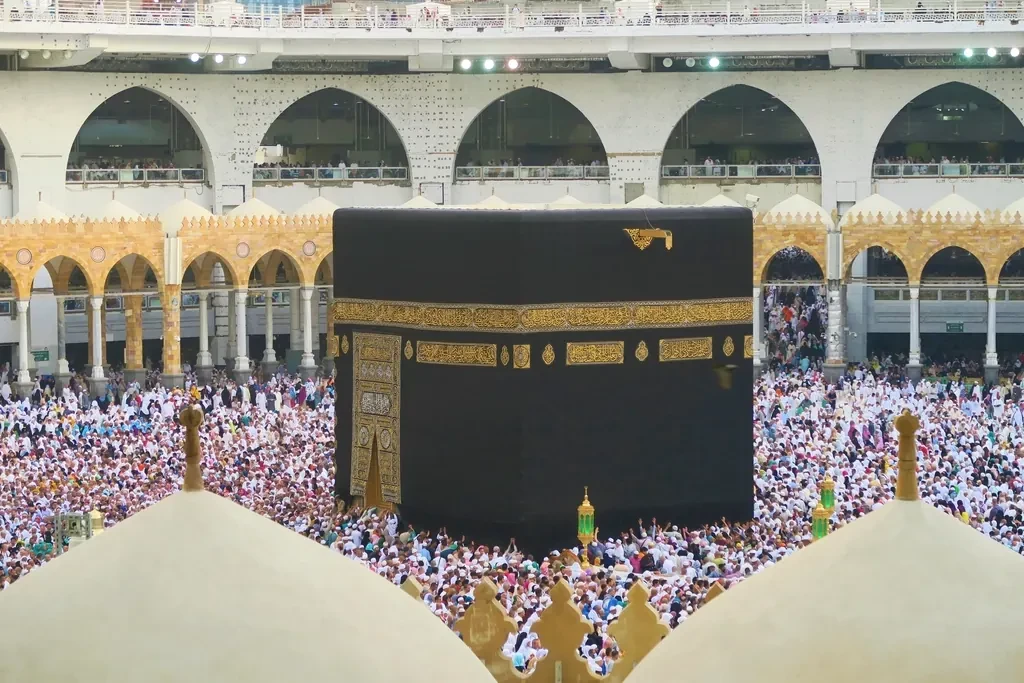
I'tikaf in the Haramain
Observing I'tikaf in Masjid al-Haram or Masjid an-Nabawi is a dream for many. In recent years both mosques have set aside I'tikaf areas for the last ten nights that require advance registration through the official channels, and places are limited. Read Umrah and I'tikaf in Ramadan for planning tips.
Spiritual benefits of I'tikaf
- Seeking Laylat al-Qadr: being in the mosque throughout the last ten nights makes it far more likely you will be awake in worship when it comes.
- Breaking habits: stepping away from phones, work and idle talk for ten days resets the heart.
- Closeness to the Qur'an: many complete a full recitation, or more, during I'tikaf.
- Humility: sleeping on the mosque floor among others teaches that we are all servants of Allah.
Women and I'tikaf
The wives of the Prophet ﷺ observed I'tikaf after him (Bukhari, Muslim). Most scholars hold that a woman's I'tikaf is in a mosque, with suitable arrangements for privacy and safety. The Hanafi school holds that her I'tikaf is preferably in the designated prayer place of her home. Women observing I'tikaf in the Haramain use the women's areas set aside for it.
Frequently asked questions
What is the minimum length of I'tikaf?
For voluntary I'tikaf, many scholars accept any length, even a short time with the intention. The Sunnah I'tikaf is the full last ten nights.
Can I go out for Jumu'ah?
If your mosque does not hold Jumu'ah, you may go out to attend it and then return. Choosing a Jumu'ah mosque avoids this.
Can I use my phone?
For necessary contact, Qur'an apps and beneficial lectures, yes. But the spirit of I'tikaf is to cut distractions, so keep it to a minimum.