On Umrah and Hajj the biggest test is often not physical. It is the struggle with your own self (nafs). Crowds, heat, delays and tiredness bring out impatience, anger and showing off. The Qur'an sets the rule clearly: “no obscenity, no wickedness and no quarrelling in Hajj” (Al-Baqarah 2:197). Guarding your sincerity, your tongue and your patience is part of an accepted journey.
1. Sincerity (ikhlas)
Every deed is judged by its intention (Bukhari, Muslim). Before you leave, ask yourself: am I going for Allah, or for the title "Hajji", the photos and the praise? Renew your intention often. Keep your worship private where you can, and share less on social media while you are there.
2. Patience (sabr)
A bus will be late. A queue will be long. Someone will push you in Tawaf. These are not interruptions to your worship. Bearing them for Allah's sake is worship. When you feel anger rising, say “A'ūdhu billāhi minash-shayṭānir-rajīm”, change your position, and drink some water.
3. Guarding the tongue
- Avoid complaining about the hotel, the food or other pilgrims in front of your group.
- No backbiting, even about the agency or the guide.
- Replace idle talk with the Talbiyah, dhikr and du'a.
4. Kindness to others
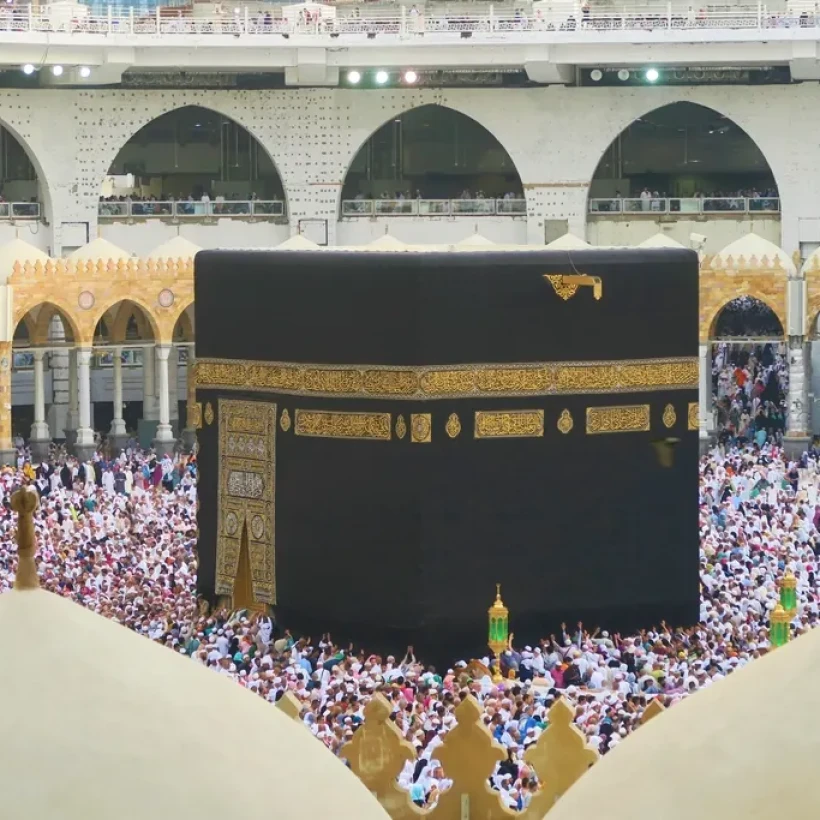
Millions of guests of Allah are around you, many older, weaker or more lost than you. Give way in Tawaf, help an elderly pilgrim with a wheelchair, share your water. The Prophet ﷺ said: “None of you truly believes until he loves for his brother what he loves for himself” (Bukhari, Muslim).
5. After you return
Scholars say one sign of an accepted Hajj or Umrah is that a person returns better than they left. Choose one or two habits to keep: praying on time, giving up a sin, reading Qur'an daily. Write them down before you fly home.
Practical steps
- Write your intention: one line on why you are going, read every morning.
- Prepare a du'a list: so your time in the Haram is spent asking, not wondering.
- Set a "no complaint" rule: agree with your family to avoid complaining for the whole trip.
- Choose a daily good deed: water, help, a smile for someone each day.
- Plan your change: decide on one habit to keep for life after you return.
When anger comes
A man asked the Prophet ﷺ for advice. He said: "Do not become angry," and repeated it several times (Bukhari). He also taught that if a person becomes angry while standing, he should sit, and if the anger still does not leave him, he should lie down (Abu Dawud). In the crowds of the Haram, this practical Sunnah works: step out of the flow, sit for a moment, drink water, and seek refuge in Allah from Shaytan.
The quiet danger of showing off
The Prophet ﷺ feared "the minor shirk" for his Ummah, showing off in worship (Ahmad). Today it often takes the form of constant photos and videos. There is nothing wrong with a few photos to remember the journey, but ask yourself before you post: am I sharing to inspire, or to be praised? Some pilgrims choose to post nothing until they return home, so the journey stays between them and Allah.
Frequently asked questions
How do I keep my focus in the crowds?
Prepare a written du'a list, keep your phone in your pocket during Tawaf and Sa'i, and choose quieter times such as late at night for your extra worship.
What if I lose my temper on the journey?
Apologise to the person, seek Allah's forgiveness and move on. Allah loves those who turn back to Him. One mistake does not ruin your journey.